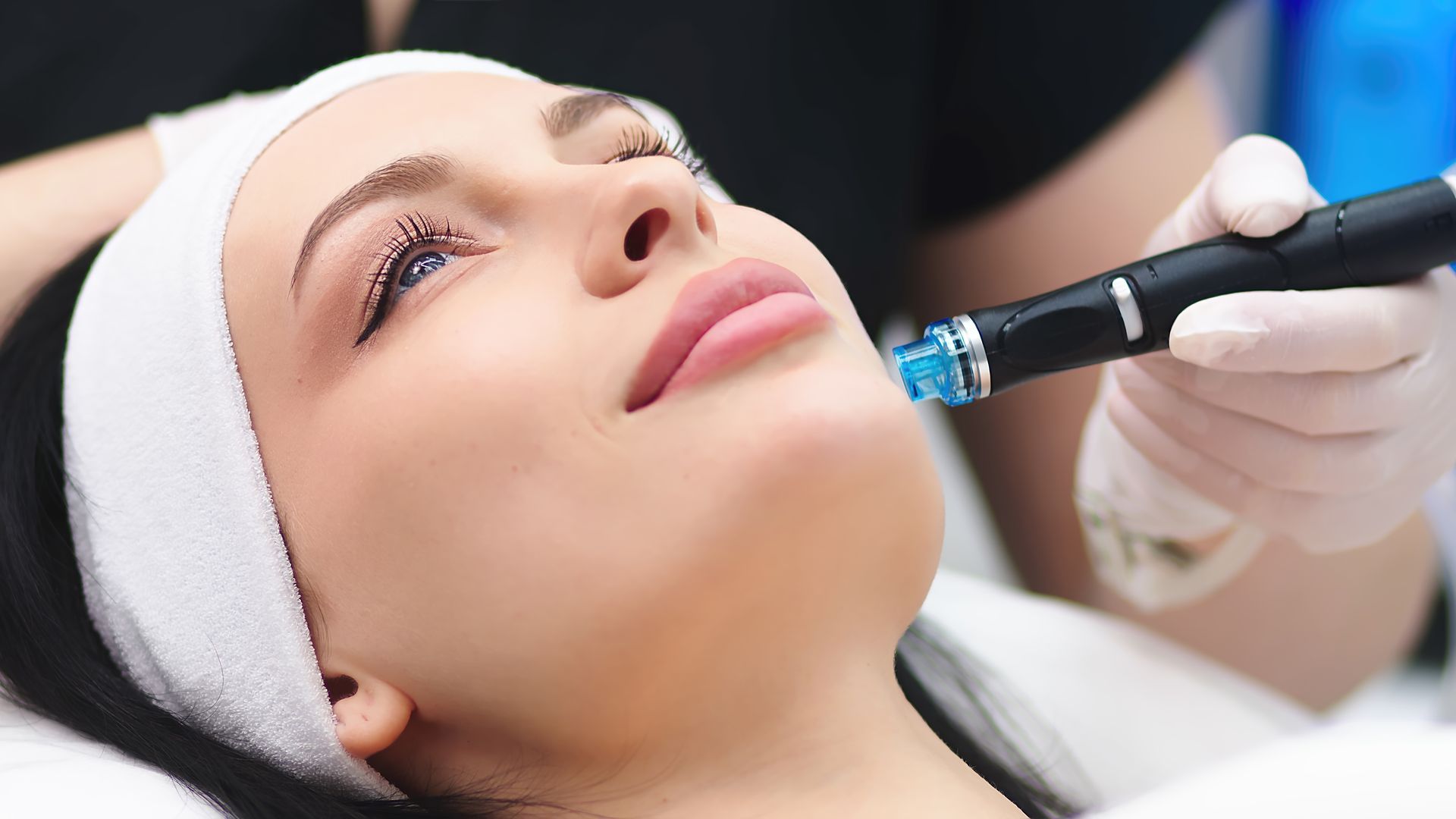
Solving Thinning Hair: How PRP Injections Stimulate Scalp Blood Flow
Guy Trengove-Jones MD, PC - Plastic Surgeons of Hampton Roads • August 5, 2026
Experiencing thinning hair can be a deeply personal and frustrating challenge for adults trying to maintain their confidence. At Guy Trengove-Jones MD, PC, we understand the emotional weight that comes with hair loss and the desire to find a reliable and science-backed solution. Rather than relying on temporary fixes that mask the problem, many individuals are turning to regenerative treatments that work with the body to encourage natural growth. Platelet-rich plasma therapy is one such treatment offering a biological approach to hair restoration right here in Hampton Roads.
The core issue behind most hair thinning is a lack of blood flow and nutrients reaching the hair follicles beneath the skin. When follicles are starved of these essential resources, they shrink and eventually stop producing new hair. This treatment directly addresses this root cause by utilizing your own blood to stimulate cellular repair and reawaken dormant follicles. Understanding the mechanics of how this biological process works can help you make an informed decision about your personal hair restoration journey.
Inside This Guide:
- The Root Cause of Follicle Miniaturization
- Why DIY Scalp Treatments Often Make Things Worse
- How Platelet-Rich Plasma Restores Scalp Health
- How long does it take for PRP to work for hair loss?
- Planning Your Hair Restoration Timeline
The Root Cause of Follicle Miniaturization
Hair loss is rarely a surface level issue. It begins deep within the dermal layer where the hair follicle resides and relies on a steady supply of oxygen and nutrients. Genetic factors and aging can restrict local blood vessels, leading to a process called miniaturization. During this process, the hair shaft becomes progressively thinner and weaker until the follicle stops producing hair entirely. Reversing this requires interventions that physically stimulate new blood vessel formation.
→ From a professional standpoint: Healthy hair growth is entirely dependent on a robust localized blood supply to sustain the active growth phase of the follicle.
Why DIY Scalp Treatments Often Make Things Worse
Many people attempt to solve hair thinning at home using aggressive dermarolling tools or highly concentrated topical serums. Unfortunately, these DIY methods commonly lead to scalp irritation, chemical burns, or severe inflammation that damages the hair follicles further. Using unsterilized micro-needling devices at home can introduce bacteria deep into the skin, causing infections that result in permanent scarring and permanent hair loss. Professional treatments operate in a sterile clinical environment to ensure safety and precise depth control.
→ A quick tip to remember: Over-the-counter topical solutions often sit on the surface of the scalp instead of reaching the dermal layer where true cellular repair actually happens.
Finding a provider who truly listens to your concerns is critical when navigating personal challenges like hair loss or seeking reconstructive surgery. Our team prioritizes patient education and supportive care across all our services so you always feel heard and respected.
► Client Experience: Dr. Jones and his staff were able to help our newborn out a ton. Corrected his lip, cheek and tongue tie that he had. Simple procedure and they were super supportive. Did not rush the post procedure and kept us to make sure he would be able to latch and eat. Made sure we went home confident with everything that had happened and that he was well taken care of. Highly recommend him for these issues. One of the only providers that acknowledged our concerns and fixed the issues at hand. - Ryan Gates
This same dedication to acknowledging patient concerns and providing unhurried care applies to every consultation we conduct in our clinic.
How Platelet-Rich Plasma Restores Scalp Health
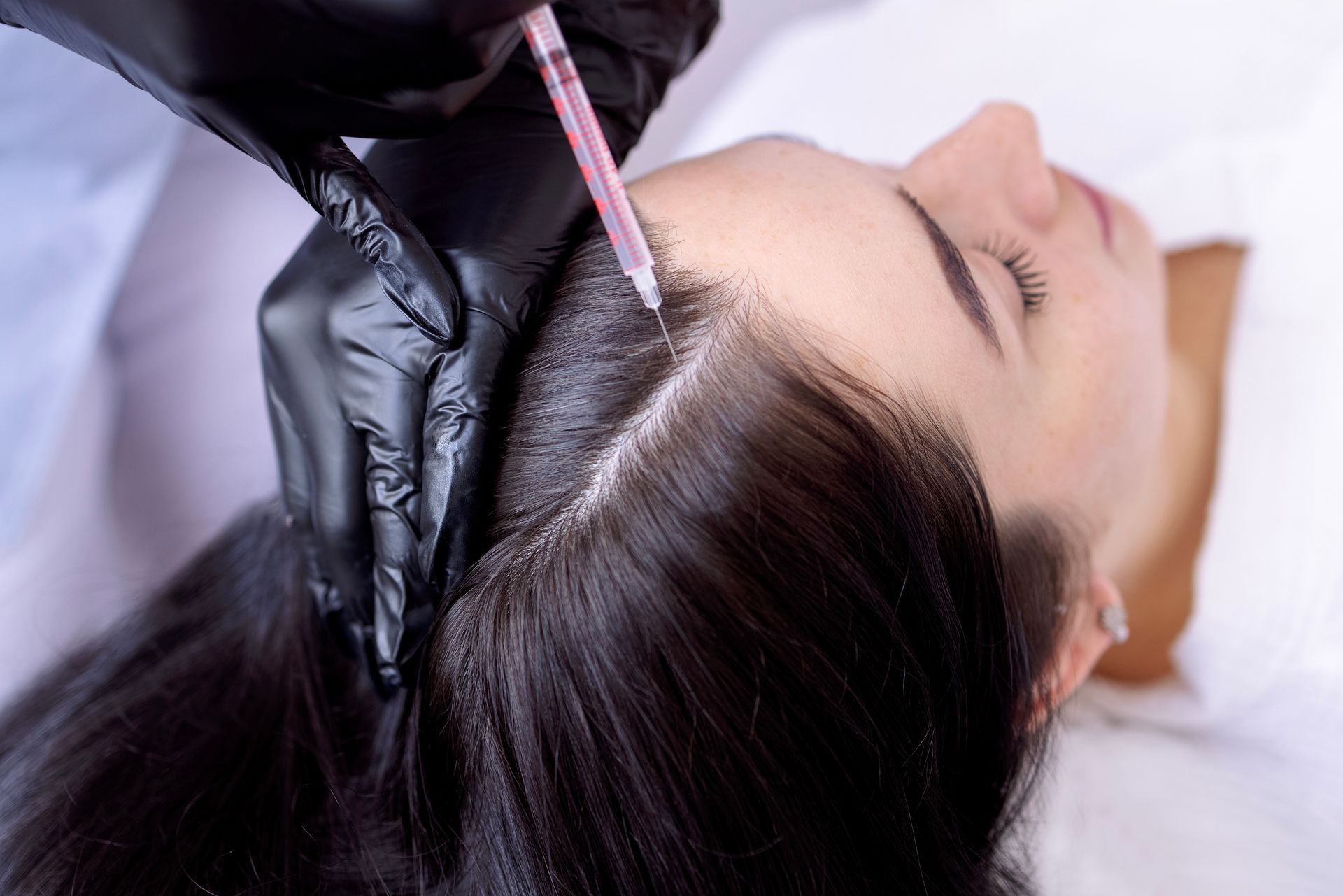
The procedure begins with a simple blood draw, much like a standard laboratory test. This blood is then placed into a centrifuge to isolate the platelets, which are naturally packed with potent growth factors responsible for healing tissue. When injected precisely into the thinning areas of the scalp, this concentrated plasma signals the body to increase blood flow and repair damaged cellular structures. Unlike cosmetic surgery which physically alters tissues, this therapy relies entirely on your internal biological healing mechanisms.
→ From a professional standpoint: Concentrating your own platelets creates a localized healing response that signals dormant follicles to re-enter the active growth phase.
How long does it take for PRP to work for hair loss?
Because hair grows in distinct phases, regenerative treatments require patience before visible changes emerge. Most patients undergo a course of three to four initial injections spaced a few weeks apart to properly stimulate the scalp. You may start noticing less shedding and early signs of improvement in as little as one to two months. However, the maximum benefits and noticeable new growth generally become apparent after six to eight months of consistent treatment.
→ A quick tip to remember: Hair cycles take time, meaning you must allow several months for newly stimulated follicles to transition back into active production.
Planning Your Hair Restoration Timeline
Understanding the biological timeline of hair growth allows you to approach your treatment plan with realistic expectations. By starting your injection sessions now, you can lay the groundwork for a thicker and healthier scalp over the coming months. Reach out to our clinic to schedule an evaluation of your hair loss and discover if this regenerative approach is right for your needs.
Share This Blog